A Philadelphia-based pro-Palestinian cycling collective, Philly Bike Action’s “On Your Left,” has organized a “Boycott Ride” for Sunday, November 8, targeting several Philadelphia restaurants and businesses identified by organizers as Zionist or supportive of Israel. The ride, promoted as an act of solidarity with Palestinians, includes Jewish-owned establishments and is scheduled for the anniversary of Kristallnacht, the November 1938 Nazi pogrom against Jews and Jewish businesses. The timing, the identification of businesses for boycott, and the potential for intimidation have raised serious concerns within Philadelphia’s Jewish community about antisemitism and the targeting of Jews under the banner of political protest. The result has been an outpouring of support for the restaurants and a massive display of support from city, regional and State leadership.
- We are victims: We have experienced fear, distress, attempted shaming and humiliation, and the consequences of what we perceive as antisemitic targeting. We refuse to minimize that harm.
- We will not be intimidated: We refuse to allow that harm to silence us, drive us from public life, or dictate how we respond.
- A public record of the November 8, 2026, boycott campaign, its organizers, endorsing organizations, and public statements
- We Will Not Be Intimidated
No matter what happens this weekend, speaking as a Jew in Philadelphia who directs an international human rights organization, no amount of words can adequately express the impact this has had on me, my family, and my community. We are terrorized, offended, hurt, and yes, VICTIMS!* Victims of an intimidation campaign that has made Jews in our own city feel targeted, unwelcome, and unsafe. And no amount of political rhetoric or attempted justification can erase that harm.
I am reminded of what happened in San Francisco in 2017, in the aftermath of Charlottesville, when right-wing extremist Joey Gibson and his supporters planned a provocative rally that threatened to bring the same atmosphere of white nationalism, hatred, and intimidation to our streets. They were met with an extraordinary mobilization of peaceful resistance, community organizing, and counterprotests, supported by the leadership of the late Mayor Ed Lee and Congresswoman Nancy Pelosi. I was among those who helped organize that resistance. Ultimately, the planned Crissy Field rally was canceled, and the extremists did not occupy that venue as intended. The community had made its opposition unmistakably clear.
That is my hope for Philadelphia this weekend. That the enormous backlash, the public condemnation, the solidarity, and the peaceful resistance will cause this bicycle boycott to fizzle. That its proponents will recognize that their attempts at intimidation have been met not with silence or submission, but with a community determined to stand its ground.
There is a profound irony here. In 2017, we stood against the intimidation of communities by the extremist right. Today, we must confront intimidation that comes from activists who identify with the left. The political direction from which hatred comes does not change its impact on those targeted. Nor should it change our willingness to confront it. We cannot condemn the targeting of Jews by white nationalists while excusing the targeting of Jews when it is dressed in the language of progressive political activism.
We are no longer the Jews of the 1800s or 1938, left without the protections and collective abilities we have today. We know our history. We carry its memory. And we have learned the importance of standing together, speaking out, and refusing to allow intimidation to become normalized. We resist peacefully. We show up. We call it out. We demand accountability. We do not surrender our dignity, our identity, our businesses, or our rightful place in the cities we call home.
Jew-hatred from the right is Jew-hatred. Jew-hatred from the left is Jew-hatred. And neither will drive us from our streets.
The November 8, 2026, Philadelphia Bike Boycott targeting Jewish- and Israeli-associated restaurants and businesses must be placed on the public record for what I believe it represents: Jew-hatred, expressed through antizionism and manifested as antisemitism. The organizers may characterize their campaign as political solidarity with Palestinians, but the deliberate identification and targeting of businesses associated with Jewish identity, Israeli nationality, and support for Israel raises profound questions about discrimination, collective punishment, and the normalization of hostility toward Jews in public life.
Most disturbing is the timing: the boycott was scheduled for the anniversary of Kristallnacht, the November 9–10, 1938, Nazi pogrom during which Jewish businesses, synagogues, homes, and communities were attacked across Germany and Austria. The historical events are not equivalent, but the symbolism of mobilizing a campaign against Jewish-associated businesses on this anniversary cannot be dismissed. Political criticism of Israel is legitimate; targeting Jewish businesses because of their perceived national identity, communal associations, or beliefs crosses a profoundly troubling line. As a Jewish human rights advocate, I refuse to allow that distinction to disappear beneath the language of political activism.
Why I Am Placing This on the Record
This essay is intended to do more than express outrage. It is intended to establish a documented public record: who organized the campaign, what its organizers publicly declared, which businesses were identified, which organizations endorsed or defended the action, and which publicly identified representatives spoke on behalf of those organizations. The distinction between organizing, endorsing, supporting, and merely being associated with an organization matters. Accountability requires accuracy, particularly when the subject is as serious as antisemitism.
1. The organizers and their own words
The principal organizer is Philly Bike On Your Left, which describes itself as an antifascist, antizionist social cycling collective. Reporting identifies Philly Writers Against the War on Gaza, Boycott CookNSolo, and Philly Solidarity Calendar as collaborators in promoting the November 8 event. The public invitation appeared on Instagram around October 30–31, 2026. (Jewish Telegraphic Agency)
The original promotional material declared:
“No business for Zionists! These Zionist establishments must go! Not in our city!”
It also described the targeted owners as “disgusting human beings.” These words are dehumanizing. This is not simply an appeal to consumers to reconsider their purchases. It is a declaration that a category of business owners, identified by their Zionism, often integral to their religion, whether the adversaries think so or not, should have no place in Philadelphia.
The six establishments identified were Dizengoff, K’Far Cafe, Goldie, Schlesinger’s Deli, Mac Mart, and Huda. Three are associated with Israeli-American chef Michael Solomonov and the CookNSolo restaurant group. The other establishments are associated with Jewish American owners, including former Philadelphia City Councilmember Allan Domb, Mac Mart founder Marti Lieberman, and chef Yehuda Sichel. (Inquirer.com)
These are not interchangeable businesses. They have different ownership, products, and histories. Their inclusion in a single campaign raises the question of what, precisely, each is alleged to have done to warrant a demand for its exclusion from Philadelphia’s commercial life.
2. The November 4 and November 6 statements: a documented escalation
On November 4, Boycott CookNSolo published a statement written by WAWOG Philly defending the proposed ride. It argued that the owners had made statements or raised funds supporting Israel, rejected accusations of antisemitism, and accused critics of using the approaching Kristallnacht anniversary to discredit the protest. (Boycott CookNSolo)
On November 6, the campaign published a second, more consequential document: the Joint Statement in Solidarity with the November 8th Philly Bike On Your Left Boycott Bike Ride.
This statement, again attributed to WAWOG Philly, carried the names of twelve supporting organizations.
Its importance cannot be overstated. The campaign was no longer merely an announcement by a small cycling collective. It had become a publicly endorsed action, with organizations representing different activist communities placing their names beneath a common declaration.
Nothing in the joint statement can derogate from the simple fact that these are Jewish owned businesses- whether Zionism factors in or not.
My objection is not to the existence of boycotts. My objection is to the identity-based exclusionary language, the choice of targets, and the refusal to recognize how a campaign against Jewish-associated businesses resonates with the history of antisemitism.
The organizers’ insistence that Zionism and Judaism are distinct does not automatically answer whether their particular actions are antisemitic – in fact to most Jews it exacerbates it. Nor does a political label erase the possibility of discriminatory treatment to a religious minority.
The joint statement goes further, describing criticism over Kristallnacht as manufactured outrage. Imagine telling a Black person that a reference to the anniversary of the Tulsa Massacre, was manufactured outrage? For Jewish communities whose historical memory includes economic exclusion, public humiliation, boycotts, organized violence, the invocation of Kristallnacht is a chilling purposeful connection to what started the death marches right into concentration camp and ovens.
The campaign’s defenders have a right to explain their intentions. Jewish communities have an equal right to describe the consequences and historical meaning of the campaign as they experience them.
3. The twelve organizations that publicly endorsed the ride : The following organizations were listed as signatories to the November 6 joint statement. This is a documented endorsement of that statement, not necessarily evidence that every organization participated in planning the bicycle ride.
OrganizationPublic website or account
Boycott CookNSolo Coalition – Website
Montgomery County for Palestine (Montco4P) – Website
Penn Faculty and Staff for Justice in Palestine – Website
Philadelphia Healthcare Workers for Palestine – Instagram
Philadelphia Palestine Coalition – Instagram
Philadelphia Students for Justice in Palestine Coalition Instagram
Philly Irish for PalestineNo separate verified website establishedRunners for Justice in Palestine Instagram
Shut Down Day & Zimmerman Philly Instagram
Temple Faculty and Staff for Justice in Palestine Instagram
Writers Against the War on Gaza Website
Yogis for Palestine Instagram
The Philadelphia Students for Justice in Palestine Coalition identifies groups associated with Drexel, Bryn Mawr, Haverford, Swarthmore, the University of Pennsylvania, and Temple. The coalition’s signature should not automatically be interpreted as an independent institutional endorsement by each university.
Likewise, Penn Faculty for Justice in Palestine expressly states on its own website that it does not represent the University of Pennsylvania or the university’s views. That distinction is important for an accurate public record.
4. What the organizations themselves have publicly declared
Three signatories provide particularly revealing primary-source documentation.
Boycott CookNSolo Coalition. Its website identifies Michael Solomonov and Steve Cook as the focus of a broader boycott of their restaurant group. It argues that the promotion of Israeli cuisine is a form of cultural appropriation and political normalization. Its campaign extends beyond the three restaurants identified for the bicycle ride to other CookNSolo businesses and products. The coalition therefore has an established campaign that predates the November 8 event.
Montgomery County for Palestine. Its published Points of Unity expressly adopt antizionism as a nonnegotiable principle. The organization advocates a one-state solution, rejects normalization with Zionist organizations, endorses BDS, and affirms Palestinian resistance including armed struggle. These positions are publicly stated by the organization itself, not inferred from its endorsement of the ride.
Writers Against the War on Gaza. WAWOG describes itself as a coalition of media, cultural, and academic workers organizing against Zionism and American militarism. Its Philadelphia-associated authorship of both November statements makes it particularly significant to the documentary history of this campaign.
The public statements of these organizations provide the context in which critical distinctions must be examined: between legitimate criticism of a foreign government, opposition to those who support that government, and antisemitic Jew-hatred manifested through the targeting, intimidation, and exclusion of Jews. I contend that if this campaign was not, in substance, an attack directed at the Jews of Philadelphia, why were Jewish-owned restaurants and establishments where Jews gather, socialize, and eat specifically targeted? And why schedule this action on Erev Kristallnacht, the eve of the anniversary of one of the most notorious organized assaults on Jewish businesses and communities in modern history? These are not incidental questions. They go directly to the issue of motivation and intent. The organizers may insist that their actions are political rather than antisemitic, but their explanations must be weighed against their words, their chosen targets, their conduct, and the historical significance of their timing.
Sometimes the preponderance of evidence speaks far more clearly than the explanations offered to excuse or sanitize conduct. And where conduct crosses the threshold into unlawfulness, declarations of innocent political motivation will not necessarily shield those responsible from accountability. Intent may be inferred from the totality of the circumstances, not merely from what those responsible choose to say about themselves.
5. Publicly identified individuals: leadership, representation, and responsibility
An essential part of establishing this record is determining who speaks for the organizations that signed the joint statement.
There is an important evidentiary limitation. The November 6 statement lists organizations, not individual signatories. The available reporting also indicates that the principal cycling organizers have no clearly identifiable public leadership.
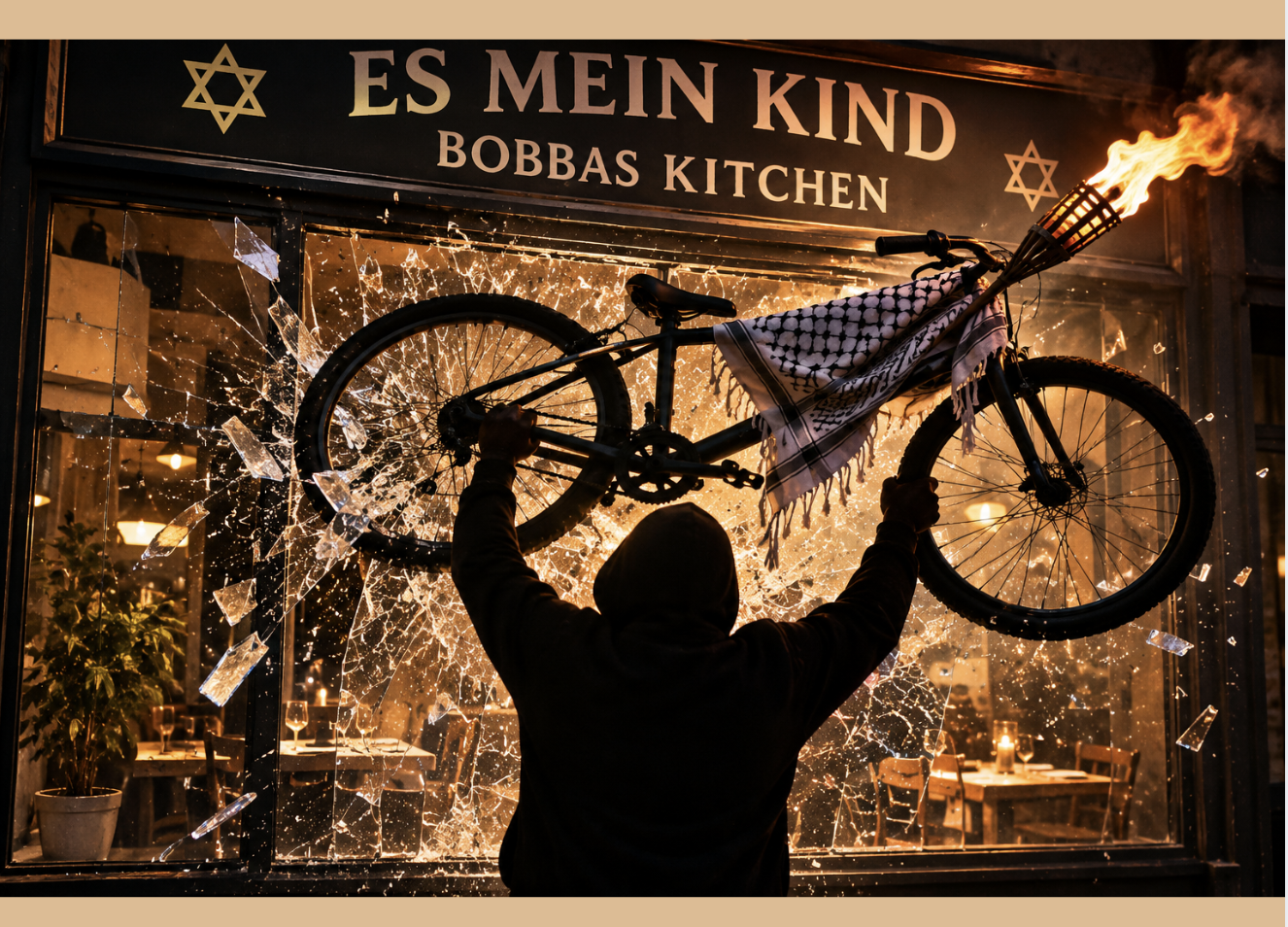
I wonder why, if you believe so strongly in what you oppose, you do not have the courage of your convictions. If you genuinely believe that your campaign is legitimate, that you are not targeting Jews for being Jews, then have the temerity to show yourselves. Identify yourselves. Go on air. Give public interviews. Stand openly behind your words and actions and defend them. Instead, you refuse interviews, wear masks at rallies, and conceal your identities. Why? I refuse to believe that this is simply about fear. I am not afraid to stand publicly behind my convictions, even when doing so exposes me to criticism, hostility, or threats. I recognize that anonymity does not, by itself, establish wrongdoing. But when you publicly demand accountability from others while shielding yourselves from scrutiny, you invite serious questions about your own motives. My opinion is that you are not merely afraid of being identified. You are afraid of being held accountable. I suspect that, beneath your insistence that this is legitimate political protest, there is an uncomfortable awareness that your actions may be crossing the very line you so vehemently deny crossing: the line between political opposition and antisemitic targeting of Jews. If you are so certain of your innocence, why are you so unwilling to stand publicly behind your convictions?
I therefore distinguish between individuals who have been publicly associated with a signatory organization and individuals who have personally endorsed this specific boycott. They are not necessarily the same people. But here goes from available research:
Public names identified in the research of these groups – and worth investigating for direct nexus, if any:
NameDocumented public associationConnection to November 8
Huda Fakhreddine – Identified as a leader of Penn Faculty for Justice in Palestine in a third-party organizational profile- No verified personal endorsement of the ride
Sukaina HirjiIdentified as a leader of Penn Faculty for Justice in Palestine in the same profile- No verified personal endorsement of the ride
Natalie Abulhawa – Identified by The Guardian as a Philadelphia Free Palestine Coalition organizer who helped draft a 2023 boycott appeal naming Solomonov restaurants Historical boycott involvement; no verified personal endorsement of this ride
The Penn leadership identifications come from a third-party advocacy profile and should be corroborated against primary statements before publication as current leadership positions.
The reporting about Natalie Abulhawa concerns an earlier campaign, not the November 2026 joint statement. Her historical involvement is relevant to the development of restaurant boycott activism in Philadelphia, but it would be inaccurate to identify her as an organizer of this particular event without further evidence.
No verified individual spokesperson or organizer for Philly Bike On Your Left was established in the sources reviewed. Nor did the material reviewed establish named individual signatories for the other organizations listed in the November 6 statement.
It would be improper to convert membership, faculty affiliation, or participation in unrelated Palestinian solidarity activities into an allegation that a particular individual endorsed this event.
However while the organizers of the November 8 Philadelphia boycott have largely operated through collective social media accounts, public reporting has identified at least one individual allegedly associated with organizing the event. On November 3, 2026, Jewish Breaking News, in an article by Dinah Bucholz, identified Hala Asraf as a Philadelphia cyclist and activist affiliated with Philly Writers Against the War on Gaza (WAWOG), describing her as an organizer of the planned bicycle boycott. The publication attributed to her an Instagram statement referring to the targeted business owners as “zio business owners” and “disgusting humans.” StopAntisemitism also publicly identified Asraf as an organizer. These identifications warrant inclusion in the documentary record, while recognizing that her precise organizational responsibilities and the authenticity of the attributed original post require independent confirmation. The significance of the reported language is considerable: it directs personal contempt toward identifiable Jewish business owners rather than limiting criticism to the policies or actions of the Israeli government. In assessing allegations of antisemitic motivation, the words chosen by those promoting a campaign are relevant evidence, alongside the selection of targets, the stated objectives, and the timing of the proposed action.
6. Philadelphia’s response: elected officials reject the boycott
The boycott has drawn condemnation from leaders across political and religious lines.
Philadelphia Mayor Cherelle Parker stated that peaceful protest is protected but that singling out businesses because their owners are Jewish is unacceptable.
Pennsylvania Governor Josh Shapiro’s administration characterized the event as antisemitic intimidation intended to drive Jewish businesses from their communities.
Pennsylvania Attorney General Dave Sunday condemned the targeting of Jewish-owned establishments and emphasized the historical significance of the date.
This response is significant because the condemnation does not rest on opposition to Palestinian rights or on a prohibition against political protest. It rests on the principle that Jewish business owners must enjoy the same freedom to participate in economic and civic life as everyone else.
Philadelphia’s civic leaders have recognized that a city can protect free expression while condemning discriminatory intimidation.
Larry Krasner, Philadelphia’s elected District Attorney, responsible for prosecuting criminal offenses in the city, attended the November 6 solidarity gathering at Dizengoff in support of the targeted Jewish-owned restaurants. Separately, the National Jewish Advocacy Center (NJAC), led by CEO Mark Goldfeder, has taken significant legal steps ahead of the November 8 boycott. Its attorneys sent formal letters to Krasner, Philadelphia Police Commissioner Kevin Bethel, and Pennsylvania Attorney General Dave Sunday, identifying the legal boundaries between protected political protest and potentially criminal conduct, including harassment, threats, assault, trespass, and offenses that may support charges of ethnic intimidation under Pennsylvania law.
NJAC also issued evidence-preservation demands to the boycott organizers, warning them to retain social media posts, original flyers, editing histories, communications, and other relevant records in anticipation of possible litigation. Deleting or altering online statements does not necessarily erase their evidentiary significance. NJAC has announced that attorneys and volunteers will observe the event and document any potentially unlawful conduct. Importantly, the organization is not seeking to prohibit lawful protest, but to ensure that if criminal conduct occurs, evidence is preserved and the appropriate laws are enforced.
7. A question for every endorsing organization
The November 6 statement creates a collective public record of organizational support. Its signatories cannot reasonably claim that their endorsement has no significance simply because they did not personally organize the ride. Every organization that signed the statement should be willing to answer the same questions.
Did it review the original promotional language before endorsing the campaign? Does it support the declaration that Zionist establishments must leave Philadelphia? Does it believe that an American Jewish business owner should face economic exclusion because of support for Israel’s existence? Does it distinguish between documented financial support for specific unlawful conduct and a person’s Jewish identity, Israeli heritage, or Zionist beliefs? And does it recognize the historical harm of promoting such a campaign immediately before the anniversary of Kristallnacht? These are questions of institutional accountability, not demands for political conformity. I am curious which of these groups are established U.S. charities or advocacy groups, with tax exempt status or fiscal sponsors, and who sits on their boards, if any- how and by whom they are funded, or if they are simply ad hoc structures to hide players abusing transparency laws intended to protect the public.
There is also a particular responsibility on organizations whose names invoke healthcare, education, justice, and human rights. Their missions are rooted in the equal dignity of human beings. That obligation cannot end when the people facing exclusion are Jews.
So, to return to my conclusion: Please join in documenting the hate. Resist peacefully. Show up. Stay safe. Allow yourself to feel the pain, fear, anger, and hurt of being victimized, because those feelings are real, and the harm is real. But at the same time, recognize the power you have. Exercise your right to speak out, to stand together, to support one another, and to refuse to sit back in silence. Being victimized does not mean being powerless. Being afraid does not mean surrendering. We can acknowledge our pain while exercising our strength. We can be victims without allowing ourselves to be defeated. And above all, we can refuse to let those who seek to intimidate us determine our place in our own city.
We are Jews. We are here. And we are not going anywhere.
*Authors Note:
Being a victim of persecution does not mean surrendering to victimhood. Nor does organizing, resisting, speaking out, or demanding accountability somehow erase the fact that one has been victimized.I see myself as a victim of this targeted campaign of antisemitism, intimidation, and exclusion. I experience it personally, as a Jew, and collectively, as a member of the Jewish community. I will not deny that experience simply because others may find the word victim politically inconvenient or strategically ineffective. Why should I have to refuse the description of what is being done to me in order to demonstrate my strength?
There is no contradiction between being victimized and refusing to be intimidated. In fact, the very act of resistance begins with acknowledging the harm. Victimhood describes what is being done to us. Resistance describes what we choose to do about it. One does not cancel out the other.
And I do not believe we should frame our experience according to whether the Left, or anyone else, is willing to recognize us as victims. Our experience is not dependent upon their validation. We can be victims of antisemitism and, at the very same time, a powerful, organized, vocal community that refuses to submit to it.
I refuse to be silenced. I refuse to be intimidated. But I also refuse to surrender my right to name the persecution I experience. I think its very important to own what it is. Its not a sign of weakness.
SOLIDARITY :
AHRC Statement on the Kristalnacht Palestinian Boycott Ride of Jewish Businesses
NOV 05, 2025 AHRC
The African Human Rights Coalition (AHRC) unequivocally condemns the antisemitic “Boycott Ride” planned for November 8, 2026, in Philadelphia, organized by Philly Bike On Your Left, with Boycott CookNSolo and Philly Solidarity Calendar identified as collaborators. This is JEW-HATRED. ANTISEMITISM. PERIOD.
The deliberate public targeting of Jewish-owned and Israeli-associated businesses, accompanied by demands that “these Zionist establishments must go,” is an unconscionable campaign of intimidation, exclusion and persecution. No invocation of Israel, Zionism or Palestinian solidarity can excuse or sanitize this antisemitism.
The timing is particularly reprehensible: November 8 is the eve of Kristallnacht, the November 9–10, 1938 Nazi pogrom during which Jewish businesses, synagogues and homes were destroyed, Jews were brutalized, and thousands were dragged into concentration camps.
To target Jewish livelihoods and gathering venues under the banner of political activism is unfathomable on U.S. soil or anywhere for that matter – and on the anniversary of that terror is a chilling historical echo of a call to violence.
As an international human rights organization with an office in Philadelphia, we will not stand idly by and watch antisemitism take root in our city. Dedicated to protecting persecuted minorities, particularly LGBTI refugees and asylum seekers, AHRC understands the devastating consequences of normalizing hatred, collective punishment, dehumanization, and the exclusion of people because of their religion, identity, or actual or perceived beliefs. We have a clear message for our fellow human rights organizations: Human rights are universal, not selective. You cannot claim to stand for human rights while turning your back on those whose rights are being violated. If you fail to defend the rights of some, you undermine the rights of all. We stand unequivocally with Philadelphia’s Jewish community and the businesses being targeted. Jewish people belong in Philadelphia. Jewish businesses belong in Philadelphia. Antisemitism does not.
Public Officials and Civil Rights Organizations Condemn the Antisemitic Rally.
Governor Josh Shapiro’s administration: “Nothing more than blatant antisemitism designed to intimidate and drive Jewish businesses out of our communities.”
Senator John Fetterman: “Every Democrat of conscience should condemn this sick parade of rank antisemitism.”
Mayor Cherelle Parker: “Singling out businesses because their owners are Jewish is unacceptable and has no place in our city.”
Senator Dave McCormick: “This is pure, unadulterated antisemitism and echoes some of the darkest chapters of human history.”
State Representative Amen Brown: “It is Jew-hatred. And I will not remain silent while this kind of hatred is promoted in our city.”
Philadelphia City Council President Kenyatta Johnson: “We cannot ignore the historical significance of this moment or the dangerous consequences of allowing antisemitism and hatred to go unchecked in America.”
ADL Philadelphia, AJC Philadelphia/Southern NJ, Jewish Federation of Greater Philadelphia and StandWithUs (joint statement): “This is antisemitism. It is Jew-Hatred, plain and simple.”
Jewish Federation of Greater Philadelphia
The Pennsylvania Human Relations Commission has also formally condemned the targeting, emphasizing that the Kristallnacht anniversary makes vigilance against antisemitism particularly urgent.
We urge our readers to share this widely and to view Yad Vashem’s Kristalnacht Exhibit: LINK: https://wwv.yadvashem.org/yv/en/exhibitions/kristallnacht/index.asp
Testimony: https://www.youtube.com/watch?v=lFwhYbbrCJ0&t=59s
PIC: JEWS ARRESTED KRISTALLNACHT (Yad Vashem)
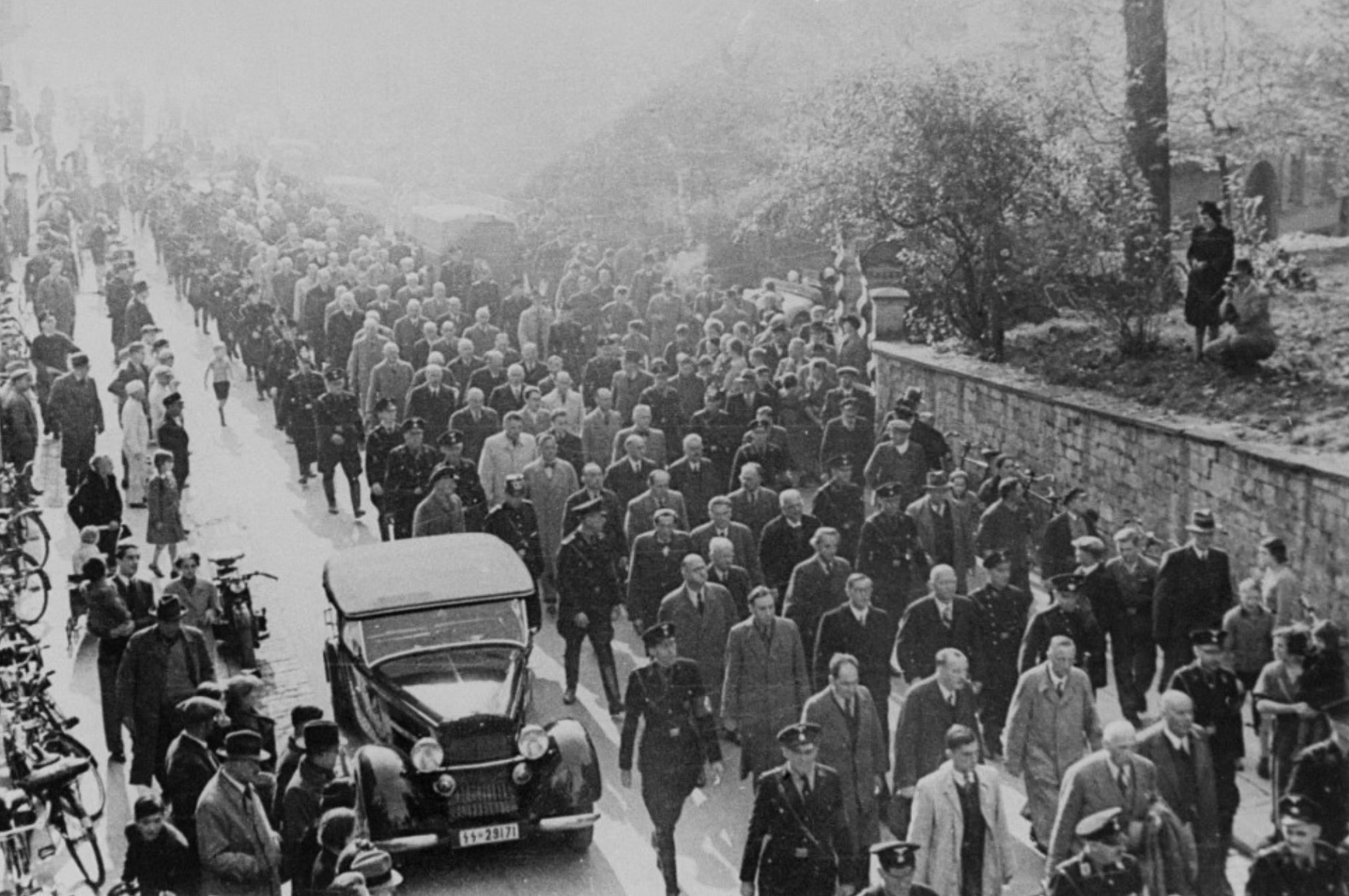
Jews who were arrested during Kristallnacht and marched off to concentration camps

