LGBTQI+ Refugees Trapped by Xenophobia in South Africa After Violent Rampage Leaves Group Destitute
Melanie Nathan, July 02, 2026
Emergency Appeal: Protecting LGBTQI+ Refugees Trapped by Xenophobia in South Africa
For more than a decade, the African Human Rights Coalition (AHRC) has provided humanitarian assistance, advocacy, and protection to LGBTQI+ refugees and asylum seekers fleeing persecution across Africa. Many of those we serve have escaped imprisonment, torture, sexual violence, forced marriage, family rejection, and death threats because of their sexual orientation, gender identity, gender expression, or sex characteristics (SOGIESC). They arrive in neighboring countries seeking safety, believing that they have finally reached a place where the rule of law will protect them. For many, South Africa was meant to be that place.
South Africa occupies a unique and historic position on the African continent. Emerging from the brutality of apartheid, it adopted one of the world’s most progressive constitutions. The Constitution guarantees equality before the law and, remarkably, was the first national constitution in the world to explicitly prohibit discrimination on the basis of sexual orientation. Its constitutional framework, together with its refugee protection laws, has long represented a beacon of hope for LGBTQI+ people fleeing persecution elsewhere in Africa.
For countless refugees, South Africa has therefore symbolized more than physical safety. It has represented dignity, constitutional protection, and the promise that every human being deserves equal treatment under the law.
The reality, however, has been profoundly different.
AHRC is currently working with a group of LGBTQI+ refugees who have spent years trapped within South Africa’s dysfunctional asylum system. Despite seeking protection through lawful channels, many remain undocumented after years of delays, repeated bureaucratic failures, lost files, cancelled appointments, and an asylum process plagued by administrative dysfunction, corruption, and inaccessibility. Without valid documentation, refugees are often unable to secure lawful employment, rent accommodation, access healthcare, open bank accounts, or move freely without fear of detention or harassment.
Instead of finding protection, many have become trapped in a cycle of vulnerability that exposes them to exploitation, homelessness, hunger, and continual insecurity.
This already precarious situation has now become life-threatening.
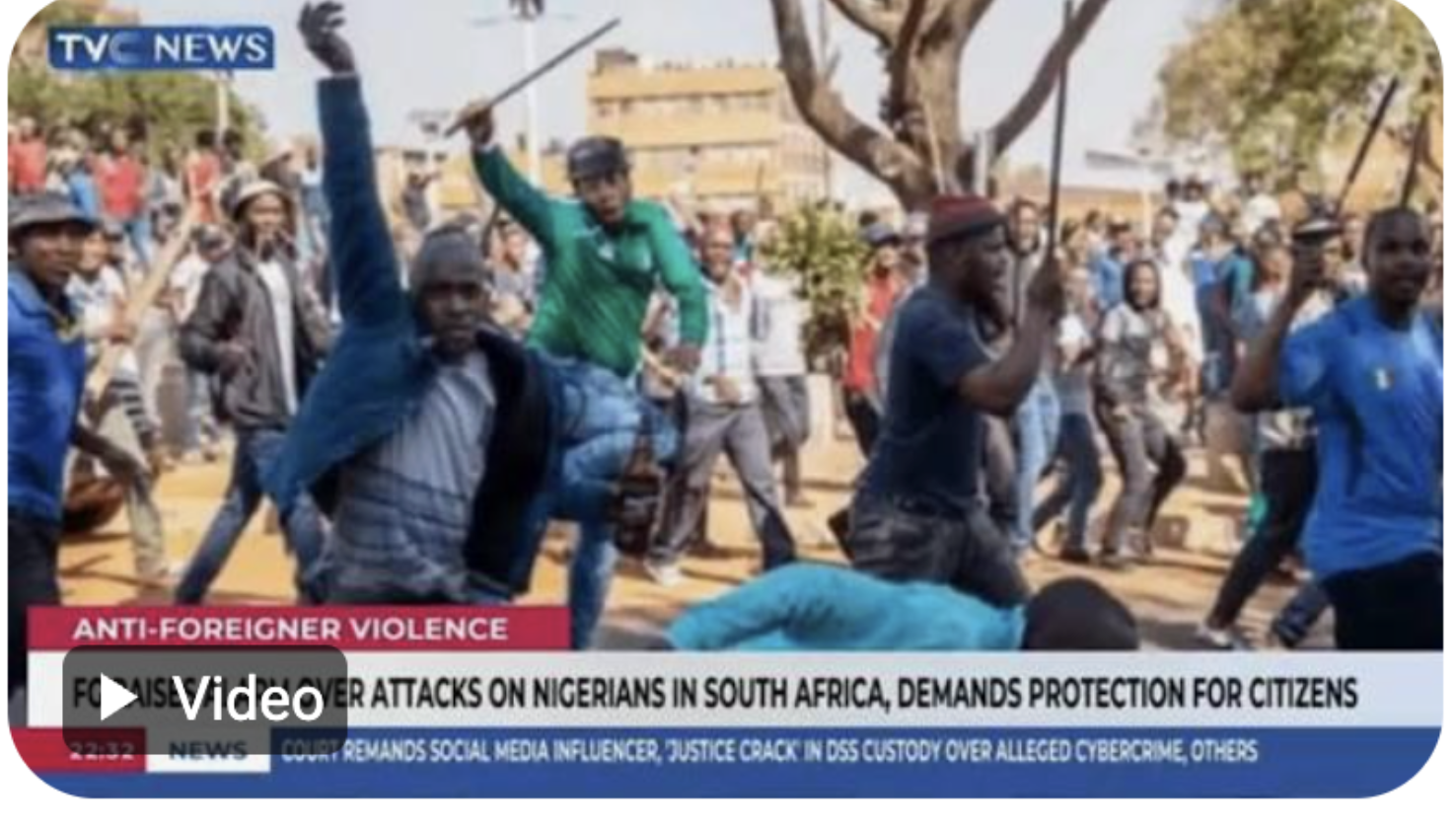
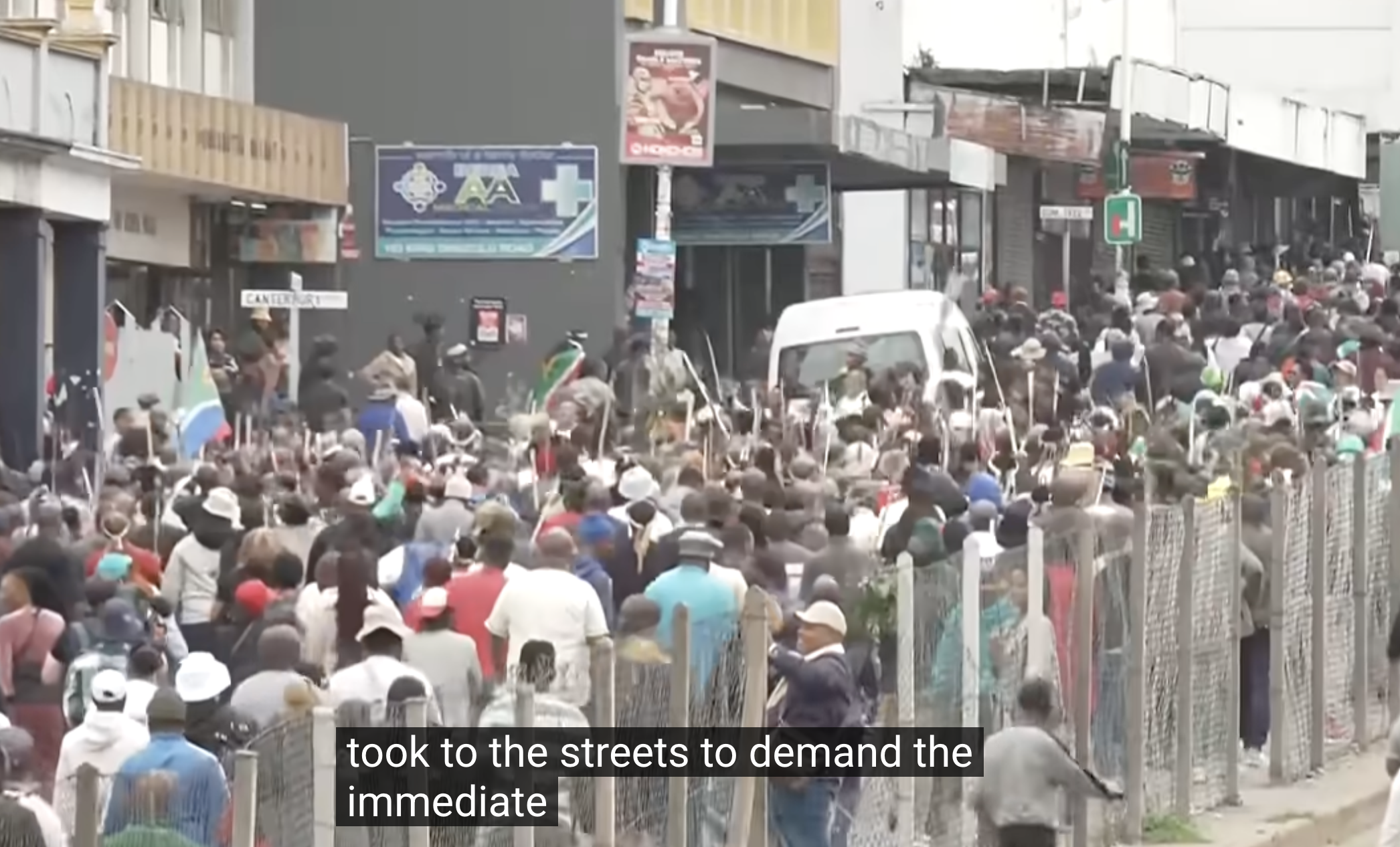
South Africa is currently experiencing one of its most serious waves of xenophobic hostility in recent years. Anti-immigrant rhetoric has steadily escalated through organized movements such as Operation Dudula, which has openly campaigned against foreign nationals while accusing migrants of taking jobs, committing crime, and burdening public services. M
ore recently, the emergence of the “March and March” campaign has intensified this climate, calling for the removal of foreign nationals from South Africa and fueling fear across migrant communities.
The cumulative effect of these campaigns has been to normalize hostility toward refugees and migrants, embolden vigilante violence, and create an environment of impunity, in which foreign nationals are increasingly viewed as legitimate targets. Those who are both refugees and openly or visibly LGBTQI+ face an even greater level of danger because they stand at the intersection of multiple forms of discrimination.
Several members of the refugee group supported by AHRC were recently caught in this latest wave of rampaging xenophobic violence.
During the attacks, they fled for their lives, abandoning virtually everything they owned. They rental was burned down. They lost their few personal possessions, including mobile phones, bedding, furniture, clothing, and food supplies. Overnight, individuals who had already spent years struggling simply to exist became completely destitute.
For LGBTQI+ refugees, the loss of a mobile phone is not merely the loss of a device. It often represents the loss of contact with humanitarian organizations, legal representatives, healthcare providers, emergency support networks, and loved ones. Losing shelter means far more than homelessness; it exposes individuals to heightened risks of violence, sexual assault, exploitation, and further displacement.
Without immediate assistance, these refugees face continued hunger, homelessness, exposure to violence, and severe deterioration in both their physical and mental wellbeing.
AHRC is seeking $5,000 in emergency humanitarian assistance to stabilize this group during this critical period.
The funding will provide six highly vulnerable LGBTQI+ refugees with emergency essential humanitarian support for a three-month period, including:
Replacement of essential personal belongings and communication devices;
Emergency shelter;
Food and essential daily living supplies.
This assistance will provide immediate protection while AHRC continues its ongoing legal advocacy and humanitarian efforts to help these individuals secure lawful documentation and rebuild their lives. These individuals cannot return to their criminalizing countries, and there is no other country on the continent that can provide the protection they need due to further anti-LGBTQI+ societal hostility and laws.
For people who have already survived persecution in their countries of origin, South Africa should never become another place from which they must flee. Yet today, many LGBTQI+ refugees find themselves abandoned between a broken asylum system and a growing tide of xenophobic violence.
With your support, AHRC can provide these individuals with the stability they urgently need while continuing the work of ensuring that their legal rights and human dignity are finally recognized and protected.
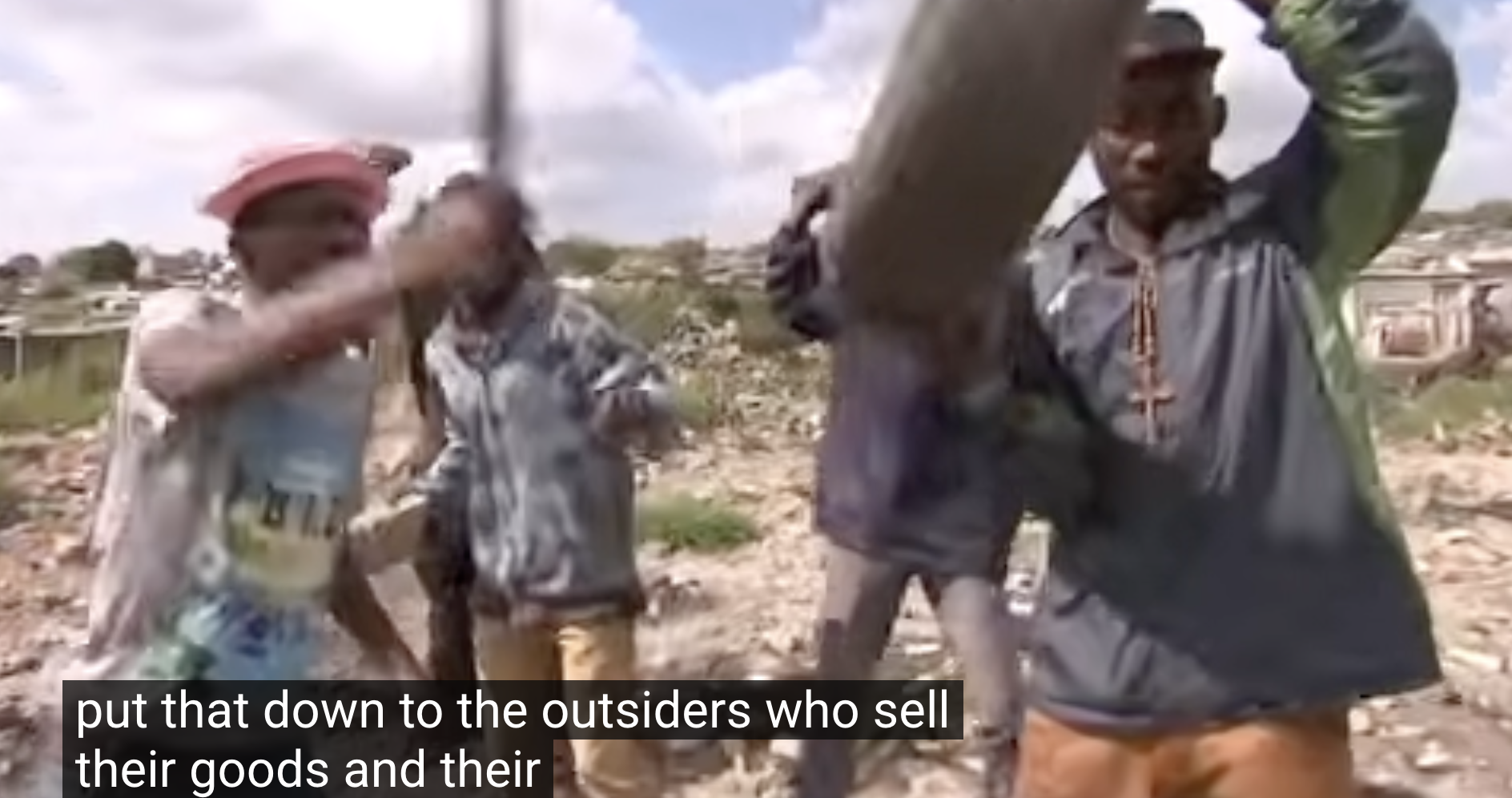
DESCRIPTIONS OF VIOLENCE:
https://www.youtube.com/watch?v=kLczhLjHPCA

