Melanie Nathan, May 29, 2026, Post from AHRC news page:
POST UPDATED:
The Parliament of Ghana has passed the Human Sexual Rights and Family Values Bill, 2025, popularly known as the anti-LGBTQ bill, on Friday, May 29, 2026, following parliamentary proceedings in Accra. The bill now awaits the assent or otherwise by President John Dramani Mahama.
 On Thursday, 28th May 2026, the Committee on Constitutional and Legal Affairs presented its report on the “Human Sexual Rights and Family Values Bill” (the anti-LGBTQ+ bill) to the Parliament of Ghana, officially recommending its full passage into law.
The legislative process is being aggressively fast-tracked this week:
1. Adoption: Parliament has officially adopted the committee’s report.
2. Second Reading: The bill has passed the Second Reading stage following a motion.
3. Consideration Stage: The bill is now undergoing a clause-by-clause debate and amendment phase.
Once this stage concludes, a Third Reading will take place, making the bill effectively ready for final passage.
Parliament is expediting the process to align with the upcoming 4th African Inter-Parliamentary Conference on Family Values and Sovereignty, which it is hosting in Accra from June 3-6, 2026. Make no mistake: this conference is an anti-rights gathering organized to dismantle and attack women’s rights, LGBTQI+ rights, and Sexual and Reproductive Health and Rights (SRHR).
It seems that the members of the Committee on Constitutional and Legal Affairs failed to consider stakeholders and shut the daw on LGBTQI+ representation.
Melanie Nathan, African Human Rights Coalition Statement:
I strongly condemn the decision to fast-track the so-called Human Sexual Rights and Family Values Bill and the apparent failure of the Committee on Constitutional and Legal Affairs to meaningfully engage with, hear, and incorporate the voices of those most directly affected by this legislation.
Any process that seeks to regulate, criminalize, or fundamentally alter the rights of a minority population while limiting or excluding that population’s meaningful participation raises serious concerns regarding fairness, transparency, and democratic accountability. The exclusion of LGBTQI+ stakeholders and advocates from genuine participation in this process undermines the legitimacy of the outcome and deprives Parliament of critical evidence regarding the real-world consequences of the proposed legislation.
This Law will criminalize anyone who “holds out” to be LGBTTQAA – and much more…
What is unfolding in Ghana is not occurring in a vacuum. Across parts of Africa, politicians, religious leaders, and anti-rights movements have increasingly mobilized public fear around homosexuality as a political tool, creating moral panic and portraying LGBTQI+ people as threats to society, culture, religion, and family life. The consequences are real: arrests, violence, family expulsions, homelessness, extortion, public humiliation, forced displacement, and an increasing number of LGBTQI+ people fleeing their homes and countries in search of safety.
The accelerated effort to enact this legislation immediately before the 4th African Inter-Parliamentary Conference on Family Values and Sovereignty sends a troubling message. Rather than promoting constitutional rights, equality, and human dignity, it risks validating a broader regional movement that seeks not merely to criminalize LGBTQI+ people, but to erase their visibility from public life and deny their equal place in society.
Many will recall the repeated calls by Uganda’s President Yoweri Museveni and other political actors across the continent to rid the world—of homosexuality. Whether expressed directly or indirectly, such rhetoric has helped normalize persecution by portraying LGBTQI+ people not as citizens entitled to rights, but as a social problem to be eliminated. History repeatedly demonstrates that when governments and political movements define a minority group as an existential threat, violence, exclusion, and persecution often follow.
The question before Ghana is therefore larger than a single bill. It is whether Parliament will uphold constitutional democracy, human dignity, and equal protection under the law, or whether it will contribute to a growing regional climate of fear that is already driving LGBTQI+ Africans into hiding, detention, exile, and flight.
The legislative process itself is already producing harm. As anti-LGBTQI+ rhetoric intensifies and the prospect of enactment becomes increasingly likely, LGBTQI+ individuals are experiencing heightened fear, uncertainty, and panic. Organizations working directly with affected communities are reporting increased requests for assistance, emergency relocation, and information regarding asylum and international protection.
Many individuals are attempting to leave Ghana or make contingency plans to do so, often with limited financial means, no access to visas, and few realistic pathways to safety. For many, the fear is not only of prosecution under a future law, but of the emboldening effect such legislation has on family members, community actors, vigilante groups, employers, landlords, and others who may feel legitimized in targeting LGBTQI+ people long before any formal prosecution occurs.
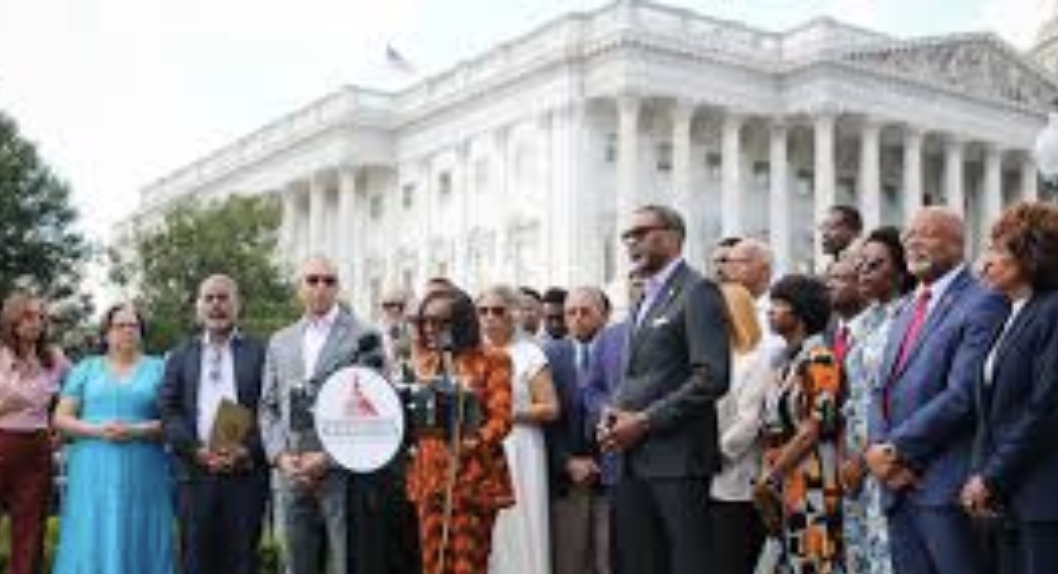
I would also like to call on the NAACP and Congressional Black Caucus in the United States to respond to African Human Rights Coalitions open letter about attending the reparation Conference in Ghana which is also happening during the month of June. Please respond. See letter here:
Please read more about that here.
CONTACT: MELANIE NATHAN
Country Condition Expert Witness,
African Countries including
Ghanacommissionermnathan@gmail.com

