When Protection Is Denied to Asylum Seekers Before It Is Heard:
Across the current U.S. asylum landscape, individuals fleeing persecution are increasingly being sent to countries with which they have no legal, social, or historical connection—places they have never lived, where they have no community, and where they cannot safely exist. For LGBTQI+ asylum seekers, this practice is especially dangerous. It exposes people whose identities are criminalized to governments that neither recognize them as refugees nor protect them from harm, effectively exporting persecution under the guise of administrative efficiency.
In U.S. immigration proceedings, a government motion to “pretermit” a protection application – is a procedural move with profound consequences. To pretermit means to dismiss an asylum, withholding of removal, or Convention Against Torture claim without ever examining its merits. When pretermission is granted, the court does not hear evidence, does not weigh country conditions, and does not assess an individual’s fear of persecution. The claim ends before it truly begins.
Under the Trump administration’s revived and expanded Asylum Cooperative Agreement (ACA) framework, pretermission has increasingly been used to justify the removal of asylum seekers to so-called “third countries” with which they have no prior connection, no legal status, and no realistic access to protection.
Uganda has emerged as one of the countries advanced under this framework—despite overwhelming evidence that it is neither safe nor appropriate, particularly for LGBTQI+ individuals.
Uganda criminalizes same-sex relationships with harsh punitive measures, including the death penalty for so called “aggravated homosexuality”. It treats LGBTQI+ people as inherently unlawful and socially unacceptable. State actors, police, and local authorities routinely view LGBTQI+ identity itself as a criminal condition. In practice, this results in arbitrary arrests, detention, extortion, violence, and the denial of basic services.
These risks are not hypothetical; they are well-documented and ongoing.
Critically, Uganda has also demonstrated a pattern of refusing to register or adjudicate LGBTQI+ asylum seekers and refugees. In my direct work with displaced LGBTQI+ individuals across Africa, I have repeatedly encountered cases in which Uganda declined to process refugee claims, denied mandate recognition, or obstructed access to asylum procedures altogether. Individuals were left without legal status, without protection, and without any viable pathway to safety. Removal under these conditions does not constitute protection—it constitutes exposure to foreseeable harm.
The use of pretermission to facilitate third-country removal to Uganda effectively short-circuits due process. It allows the government to avoid individualized adjudication by asserting the availability of protection that does not exist in reality. For LGBTQI+ asylum seekers, this practice places lives at risk by substituting legal fiction for factual assessment.
Expert Witness Experience and Country Conditions Reporting:
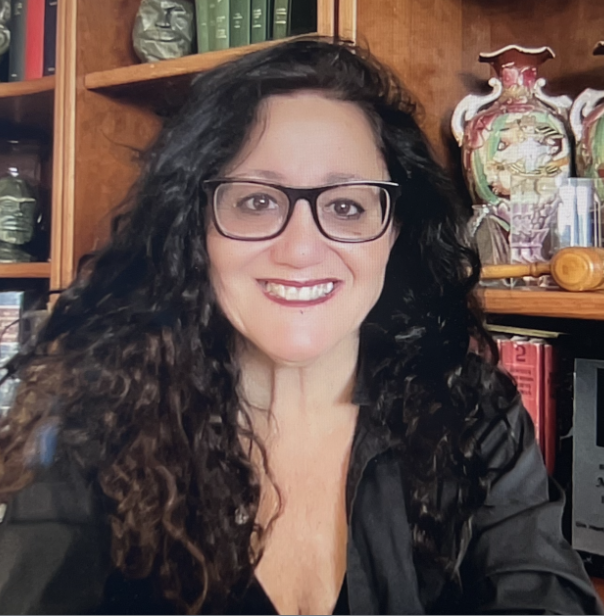
I am Melanie Nathan, an internationally recognized expert on LGBTQI+ asylum and refugee protection in Sub-Saharan Africa. I have previously been qualified as an expert witness in U.S. Immigration Courts and globally. As Executive Director of the African Human Rights Coalition (AHRC), I have worked directly with LGBTQI+ asylum seekers facing persecution, denial of registration, and forced displacement across multiple jurisdictions, including Uganda.
I provide expert country-conditions reporting in support of asylum, withholding of removal, and CAT claims. These reports may be tailored to the specific facts of an individual case or provided in generalized expert form, depending on the needs of counsel and the court. My work draws on direct field experience, documented patterns of state practice, and long-term engagement with affected communities.
At a time when procedural tools like pretermission are increasingly used to deny protection without hearing, credible expert analysis is essential. Courts must be given the factual record necessary to assess risk, safety, and the real-world consequences of third-country removal, particularly for LGBTQI+ people whose identities are criminalized by law and practice.
See – http://www.AfricanHRC.org and HERE for Country Conditions Expert Witness Page.
 CONTACT: MELANIE NATHAN
Please use both email addresses:
Commissionermnathan@gmail.com
nathan@AfricanHRC.org
 O-blog-dee-o-blog-da