A Call to Action for Humanity:
By Melanie Nathan, November 26, 2024.
Today we stand today at a crossroads in history. It is a time when America cannot turn its back on established refugee resettlement protocols. It is a time when the numbers of forcibly displaced people is at a record high, and anticipated to be 120,000,000 by early next year. We have a great battle ahead of us. We battle against hate, discrimination, and violence, not only in the forms we recognize from the past but in new and evolving ways. While the tools and tactics of oppression may change, the core of what it means to be persecuted because of one’s identity—whether religious, ethnic, or cultural—remains the same. And as we confront the injustices of today, we cannot forget the lessons of the past. We must remember, and we must act.
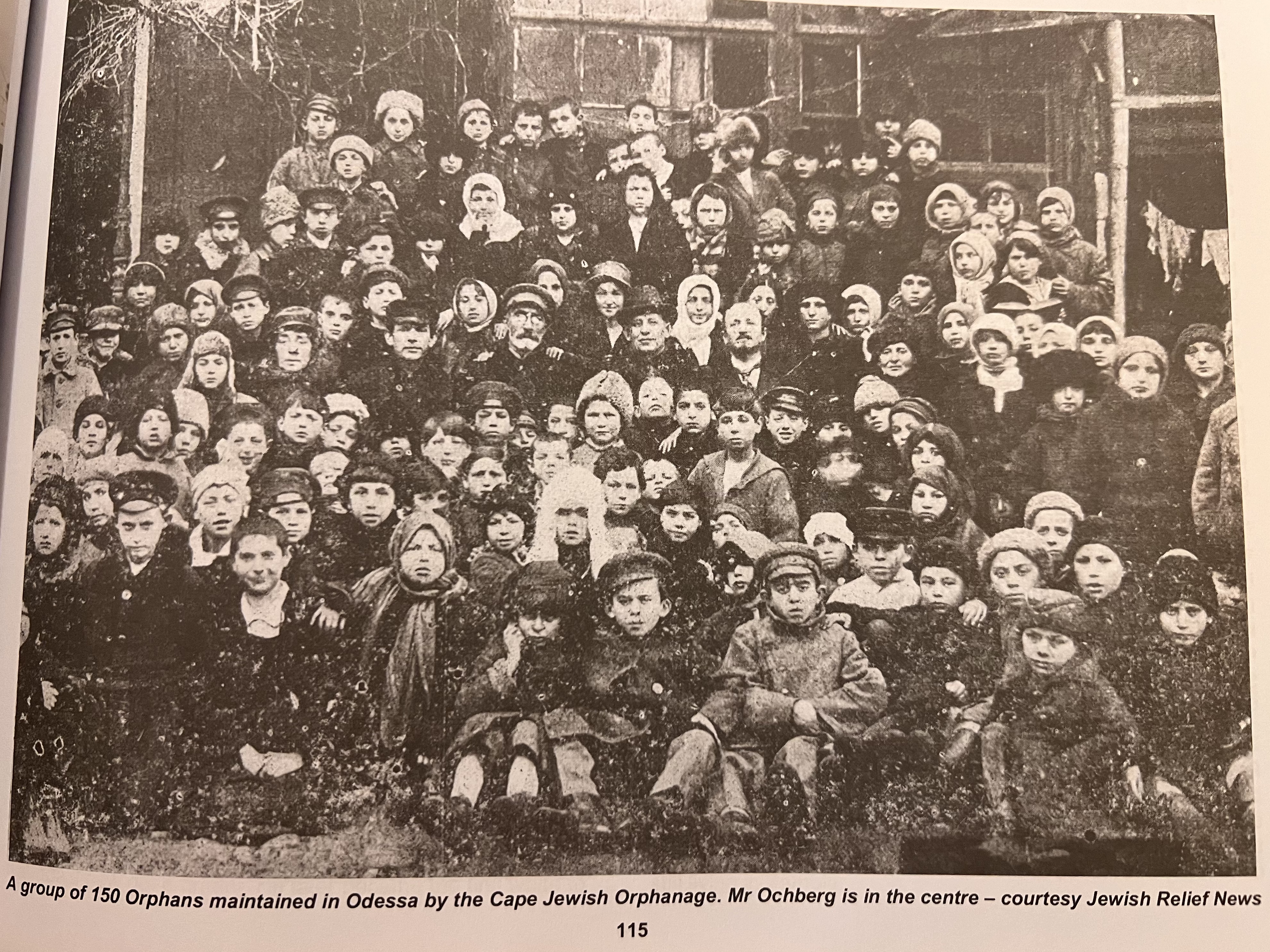
One of the darkest chapters of history that we must never forget is the wave of violent inhumane degrading Pogroms that tore through Eastern Europe, displacing our Jewish families, destroying communities, and leaving countless men, women, and children in peril. These violent, state-sanctioned attacks against Jewish people were fueled by hatred and fear, rooted in false conspiracy theories, scapegoating, and age-old prejudices. These pogroms did not just result in the loss of lives—they also created refugees, people driven from their homes, their communities, and their very identities.
In 1921, after Pogroms had devastated Jewish communities in Ukraine, one man, Isaac Ochberg, chose not to look away. Ochberg, a Jewish philanthropist from South Africa, heard of the suffering of Jewish families and orphans left in the wake of horrific violence. He knew that they were victims of an ethnic cleansing rooted in Jew-hatred, and he could not stand by while children, innocent and vulnerable, were left to suffer.
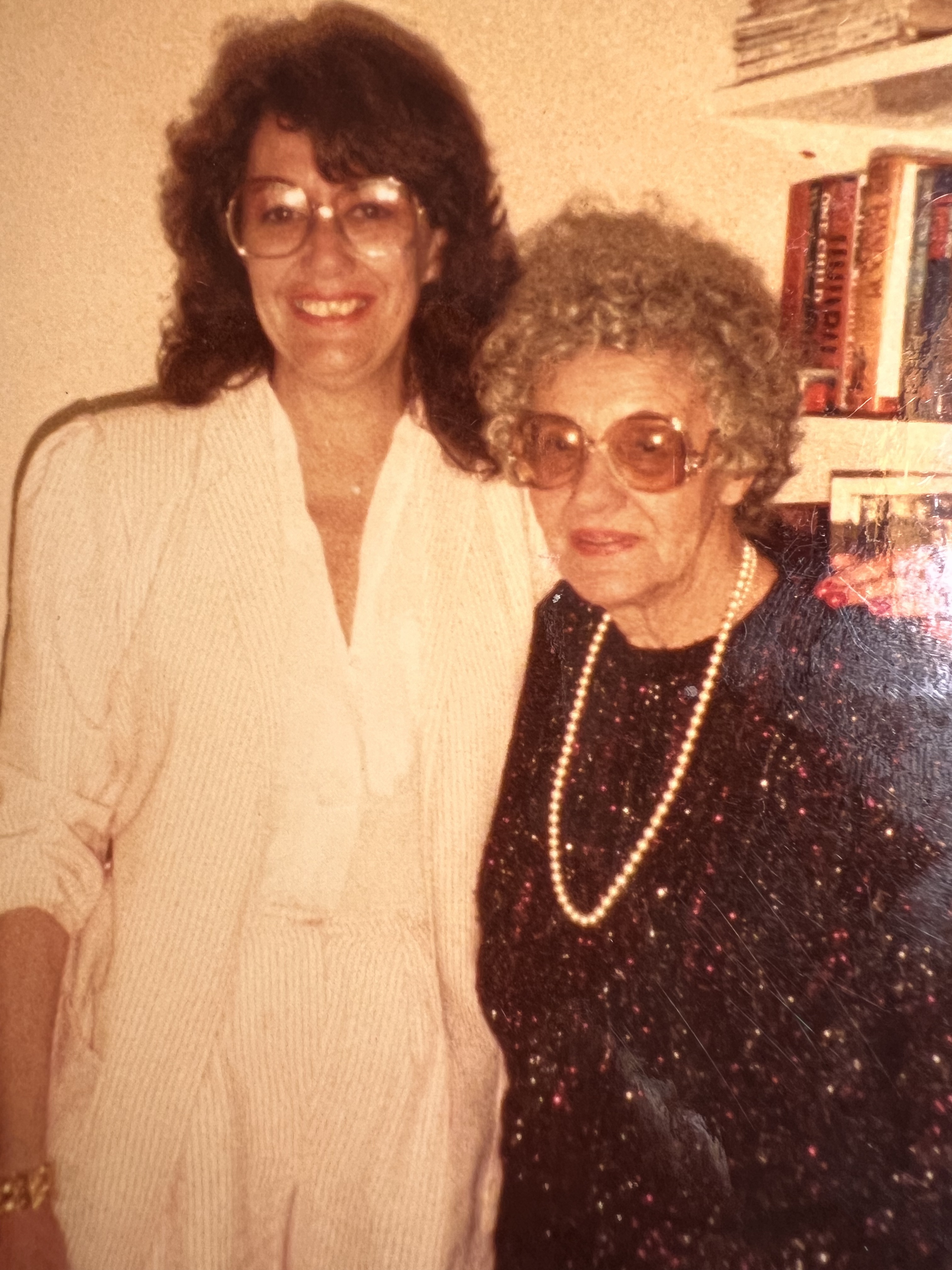
Ochberg raised funds, navigated dangerous political terrains, and ultimately obtained permission from the South African government to rescue 200 Jewish children from Eastern Europe, bringing them to South Africa where they could live in safety and peace and grow to create profound legacies. Among them was my maternal grandmother, Raziel (Rosie) Shames.
Ochberg’s act of compassion and courage is a shining example of what can be done when we, as individuals and as a global community, refuse to remain silent in the face of suffering.
 Today, just on a century later, we find ourselves faced with a strikingly similar situation. Across the globe, people are being displaced by violence, hatred, and ethnic cleansing. In South Sudan, for instance, mothers and babies are fleeing for their lives, driven from their homes by brutal violence. Entire communities are torn apart by ethnic conflict, political instability, and religious persecution. Families are forced to leave everything behind—homes, livelihoods, and loved ones—simply to survive. These are not just statistics; these are human lives. These are children, like those Isaac Ochberg saved, who deserve a future free from fear and violence. And yet, too often, they find themselves trapped in limbo, as refugees in foreign lands, seeking shelter in camps or makeshift settlements, struggling to find a way to rebuild their lives. Imagine if you could change just one life.
The parallels between the experiences of Jewish refugees fleeing pogroms and the African refugees fleeing ethnic cleansing today are impossible to ignore. In both cases, people are being driven from their homes because of who they are—whether it be their religion, their ethnicity, or their nationality. In both cases, they face the brutal reality of being displaced, cut off from their communities, and left vulnerable to exploitation, violence, and further persecution. And in both cases, these refugees have the right to seek safety, dignity, and the chance to rebuild their lives and legacies.
But what happens when the world turns a blind eye? What happens when refugees are abandoned to suffer in camps, when their calls for help go unanswered, when they are left to survive on the margins of society? We have seen the consequences of such neglect in history.
We saw it with the Jews who were forced into ghettos and exile, struggling to find refuge as they fled pogroms and persecution. We saw it again during the Holocaust, when millions of Jewish people were denied asylum as they sought to escape the clutches of the Nazi regime.
In the same way as Ann Frank hid in her dark room, we have thousands of Africans hiding in dark rooms, afraid to go out because of new anti LGBTQI+ laws that proscribe life in prison and death.
In our time, we see the awful reality of the fate befalling the refugees from South Sudan, from Syria, from Myanmar, and countless other places where ethnic and religious violence has displaced entire populations. We must ask ourselves: are we, as a global community, going to make the same mistake again and allow this on our watch without lifting a finger, saying a word?
Are we going to ignore the suffering of those who are fleeing violence, or are we going to act, just as Isaac Ochberg did, to offer hope and a future? Even in the most impossible of circumstances.
We fight by remembering the example of Ochberg and the countless others who have stepped forward to rescue the persecuted and the displaced. Ochberg did not wait for the world to change; he took action, and he made a difference. We must and we can do the same, even one life at a time.
We fight by offering refugees—not just temporary shelter, but real solutions. Like Isaac Ochberg, who brought Jewish orphans to South Africa, we must support resettlement programs like Welcome Corps, that offer long-term safety, education, jobs, and opportunities for a new life. Refugees are not burdens; they are human beings with hopes, dreams, and the potential to contribute to society. But for them to do so, they need the same opportunities we all desire: the opportunity to live free from fear, the opportunity to learn and grow, the opportunity to rebuild.
We fight by standing in solidarity with persecuted people. When we stand up for one group, we stand up for humanity as a whole. We must raise our voices, advocate for policy, and support organizations working on the front lines of refugee resettlement.
And we fight through compassion. The refugee crisis is not an abstract problem—it is a human tragedy, and it requires a human response. Like Ochberg, we must act with empathy, understanding that the refugees we encounter are not statistics; they are families, children, and individuals who have been torn from their homes by unfathomable violence. They are our brothers and sisters in humanity, and it is our duty to stand with them, just as we would want others to stand with us in times of need.
The road is not be easy. It requires us to confront uncomfortable truths and take bold actions. But the example of Isaac Ochberg shows us that one person, standing up for justice, can change the lives of hundreds, even thousands. We can make a difference even in seemingly impossible times. Just as the Jewish people were saved by individuals who dared to take action, so too can we change the lives of the displaced and persecuted refugees of today.
Let us take this opportunity to commit ourselves to our Jewish values, steeped in consciousness, “never again” and compassion. Let us stand up for the persecuted—whether they are Jews fleeing pogroms or Africans fleeing ethnic cleansing or Central Americans, or Haitians, or Ukrainians all forcibly displaced by violence. Together, we can fight to combat the xenophobia, build safety, offer dignity. While we try to ensure that no one is left behind, with each one person comes centuries of accomplished futures, poised to grow profound legacies, just like the family of my Granny Rose, and those of the other 199 Ochberg Orphans.
ZOOM Intro tomorrow at 11.00 AM EST (inquire for details to commissionermnathan@gmail.com)
SEE HIAS WELCOME CORPS: https://hias.org/how/welcome-corps/
By Melanie Nathan,
Co-Founder Jewish Women ORI
Our Rights + Ideas
 O-blog-dee-o-blog-da