“i get it. we want it clean.
we want the work of dealing with history to be all bone, no blood. no sinew. no stink. no rot. no flesh.
we want clear outcomes. we want clear protocols.
we want everyone to nod their heads and mean it.
we want the spectres of history to rest in pieces….”
– Kopano Maroga*
* The words of Kopano Maroga, born in Benoni in 1994, crosses all realms in metaphorical reflection transcending any attempt at what it may expect to deliver – perhaps intended in its brilliance. Kopano Maroga is a performance artist, writer, cultural worker, co-founding director of a socio cultural arts organisation, currently working as a curator and dramaturg at Kunstencentrum Vooruit in Ghent, Belgium.
Benoni:
A sacred place steeped in its colonial glory with the horror of inequities – a contradiction – a paradox – a resting place to ancestors wrestling for entitlement – the Sotho – the forcibly displaced Jews – the who? Lest we delve! AND yet the ONLY home… the ONLY home to some Pogrom refugees. Unless we rewind…
Built on masked silent aggressions and desperation and pain. Yet built! For today. Not for yesterday? Or was it? ….
I still subscribe to the tribal truth and legacies and ultimate indigenous homes, clawing back time … seeking that place of true belonging… making the case for Israel – or will we be forever wandering slaughtered Jews?
Benoni is where my paternal grandparents are buried and it is where I served with great honor, my articles of clerkship, circa 1982, during Apartheid, as a young attorney, under my (Great) Uncle Manfred Favish, the attorney who represented the City of Benoni. A man of great integrity, accomplishment and esteem, fervently opposed to Apartheid.
The meaning of Benoni: Johan Rissik, named the area Benoni and it means “son of my sorrows,” after the Hebrew name given by Rachel to her son.
Uncle Manny was a Pogrom “Ochberg Orphan” together with my granny Rose, my maternal grandmother. The depth of the name Benoni exemplifying the sorrow and heartbreak of their mother and my great grandmother, Feiga, who faced the unimaginable anguish of a Sophie’s choice where the excruciating pain of shipping two of her twelve children to an unknown continent in the early 1900′ Pogroms, to save their lives, seemed ‘choice-less’. Feiga survived the Pogroms and Holocaust and ultimately settled to Israel.
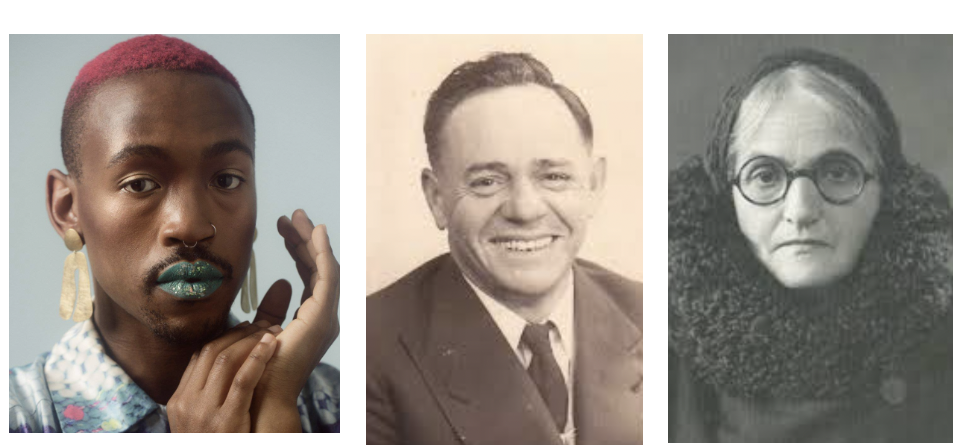
PIC: Kopano Maroga, born Benoni, Uncle Mannie Favish, orphan in Benoni, Feiga Shamis, found Israel
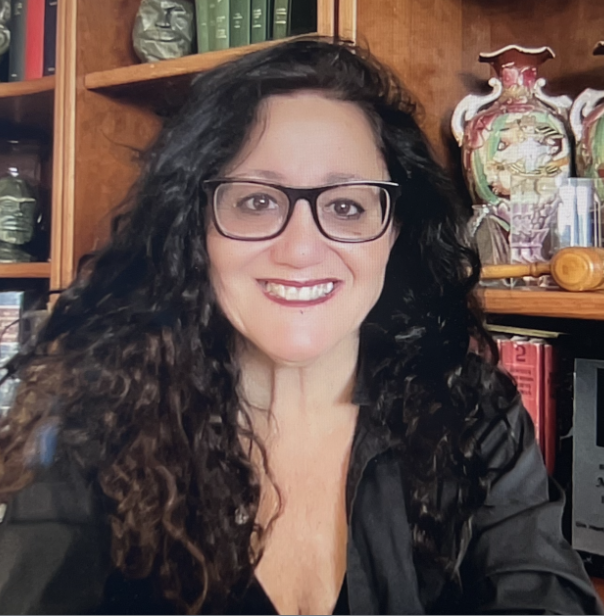 By Melanie Nathan, July 02, 2024
Granddaughter to Pogrom Refugee Rose Shamis (Married Lulu Miller)
Born, raised, educated – South Africa
Served articles of Clerkship under Manfred Favish, Benoni (1982)
Commisisonermnathan@gmail.com
NOTE:
Rose and Mannie Shamis, two of Feiga’s children, were amongst those rescued by Isaac Ochberg. Their siblings who remained behind did, indeed, die in the Holocaust.
South Africa, the place of refuge: As South Africa took in a small number of Jewish orphans during the Pogroms, when other countries refused their families. Some were taken from parents, still alive, dubbed orphans. Feiga survived and made it to Israel in 1948 with one daughter. Today the direct descendants of Feiga include grandchildren, great grandchildren, and great-great grandchildren in Israel, South Africa, USA, and Australia. The documentary film made about Feiga (Shalom My Dear Children, aka Feiga’s Choice, examines Feiga’s letter diary, in Yidddish, left for her children, but did not focus on her last years after she made it to Israel.
This is most unfortunate, because that is where she spent her dying years, with her entire story of brutal pogrom persecution and tragic separation from her children, making the case for the importance of Israel and how it served her descendants. This also with the current wave of abhorrent antisemitism sweeping Australia, South Africa and America still serves as a beckoning refuge for her diaspora descendants.
So stay tuned …. as we continue to honor Feiga’s courageous journey, her memory with all that it is due….
 O-blog-dee-o-blog-da