BY MELANIE NATHAN, APRIL 22, 2024
The U.S. State Department released the 2023 Human Rights Reports for the Globe on April 22, 2024.
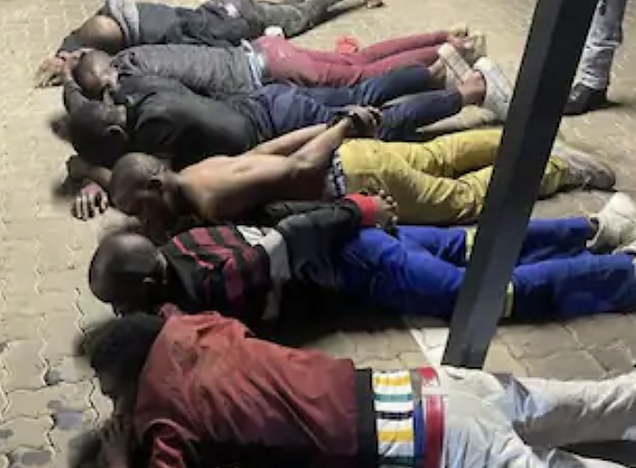 This 2023 year has served as a landmark year, in Africa for a surge in the anti-Homosexuality climate. This report is for Uganda only: Uganda passed THE The anti-Homosexuality Act of 2023 known as the “Kill the Gays Bill,” signed into law by President Yoweri Museveni. In the lead-up to this new law, we saw a significant rise in discrimination, persecution and violence against LGBTQI+ people in Uganda, and it got even worse after the law became effective.
NOTE: IN 2024 AND HENCE NOT INCLUDED IN THIS REPORT is the APRIL 2024 Constitutional Court ruling, which will be reported on by the State Department at the same time next year when they release the 2025 Report. In that ruling the Court voided several clauses of the new law, but upheld the major portion of the law, maintaining the extreme and onerous aspects of the law to include the clause providing for the death penalty for so called aggravated homosexuality, which includes repeat/serial offenders. An appeal has been filed in the Ugandan Supreme Court.
These reports are mandated by the U.S. Congress.
The following should be read in context within the entire report, but is EXTRACTED here for quick reference.
FULL human rights report and EXTRACTS REFLECTING LGBTQI+ : LINK TO AHRC HERE –
SOME OF EXTRACT ; FULL EXTRACT HERE
Violence and Harassment: Human rights activists reported numerous instances of state and nonstate actor violence and harassment against LGBTQI+ persons and noted authorities did not adequately investigate the cases. The Strategic Response Team, a coalition of NGOs, reported 306 abuses against LGBTQI+ persons between January and August, with 25 of those abuses conducted by state actors. The Human Rights Awareness and Promotion Forum (HRAPF) reported in April a mob in Kampala kidnapped a transgender woman and stripped her naked. The mob forced her to walk through the streets as it hurled projectiles at her and recorded videos. Police arrested her, and the prosecutor charged her with being a public nuisance before court officials released her on bail; the government took no action against the perpetrators in this case. The HRAPF reported that in a limited number of cases police acted against those complicit in violence against LGBTQI+ persons. The HRAPF reported in June police in Kampala arrested an unidentified man after he assaulted a transgender woman.
Discrimination: The law prohibited discrimination based on sex, among other categories, but did not explicitly prohibit discrimination on the basis of sexual orientation, gender identity or expression, or sex characteristics. Provisions of the AHA discriminated against LGBTQI+ persons, for example by prohibiting landlord or property managers from knowingly renting to persons who might commit violations of the act and requiring all persons, including medical personnel, to report LGBTQI+ persons who might commit violations of the act. The law did not recognize LGBTQI+ individuals, couples, or their families.
LGBTQI+ activists reported LGBTQI+ persons suffered stigma and faced discrimination in access to health care, employment, housing, and other social services, and families disowned LGBTQI+ persons and expelled them from households, which left many homeless and led others to conceal their sexual orientation.
LGBTQI+ activists reported a sharp rise in evictions of LGBTQI+ persons with the introduction of the AHA draft bill. The HRAPF and the Uganda Key Populations Consortium reported responding to 424 cases of eviction and the need for relocation by September.
Involuntary or Coercive Medical or Psychological Practices: LGBTQI+ activists reported LGBTQI+ persons endured intense social pressure to change their sexual orientation. The AHA provided for courts to order persons convicted under its provisions to undergo “rehabilitation,” although the government did not enforce this provision.
Activists reported some families compelled LGBTQI+ children to undergo talk therapy sessions with religious leaders intended to change sexual orientation, compelled LGBTQI+ children to “denounce” their sexual orientation and gender identity in religious gatherings, or compelled their LGBTQI+ children into forced marriages in an attempt to change their sexual orientation. LGBTQI+ activists reported some public health workers attempted to compel LGBTQI+ persons to change their sexual orientation or gender identity or expression before providing health services.
The Ministry of Health released two circulars instructing public health workers “not to deny services to any client who presents themselves for services,” and “not to discriminate or stigmatize any individual who seeks healthcare for any reason – gender, religion, tribe, economic or social status or sexual orientation.” Some government officials openly encouraged attempts to change the sexual orientation of LGBTQI+ persons.
There were no reports of surgeries performed on non-consenting adult intersex persons.
SOME OF EXTRACT ; FULL EXTRACT HERE

NOTE: AFRICAN HUMAN RIGHTS COALITION (AHRC) PARTICIPATED IN OVER 36 RELOCATIONS IN 2023, OF LGBTQI UGANDANS, PROVIDING TRANSPORT, MEDICAL AID, GENERAL HUMANITARIAN ASSISTANCE, SAFE SHELTERS, FOOD PROGRAMS AND ADVOCACY FOR LGBTQI PEOPLE FORCIBLY DISPLACED BY THESE AND SIMILAR LAWS AND RESULTING PERSECUTION, DISCRIMINATION AND VIOLENCE
NOTE: MELANIE NATHAN, ED OF AFRICAN HUMAN RIGHTS COALITION PROVIDES COUNTRY CONDITIONS EXPERT WITNESS TESTIMONY FOR LGBTI ASYLUM SEEKERS FROM UGANDA AND OTHER COUNTRIES HERE.
 O-blog-dee-o-blog-da